
Loading page…
Resources for Effective Assessment, Classroom Teaching and Holistic Learning · Kenya
In Kenya's arid north, REACH-Education equips teachers and learners with printed Self-Learning Kits, offline digital resources and mobile learning, so a good education can reach children wherever they are.
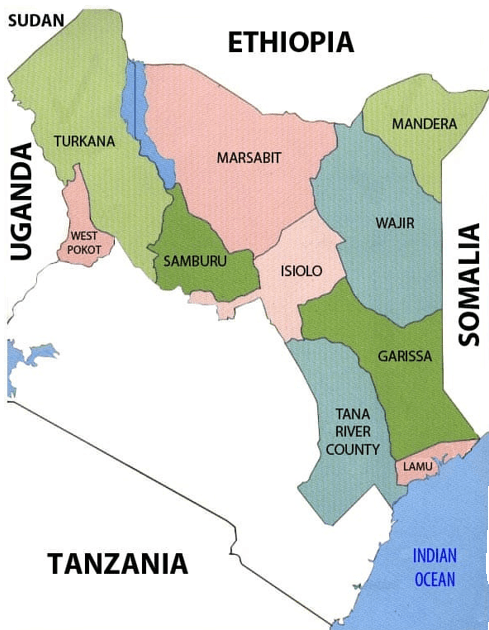
Working inGarissaIsioloMarsabitTana RiverWajir
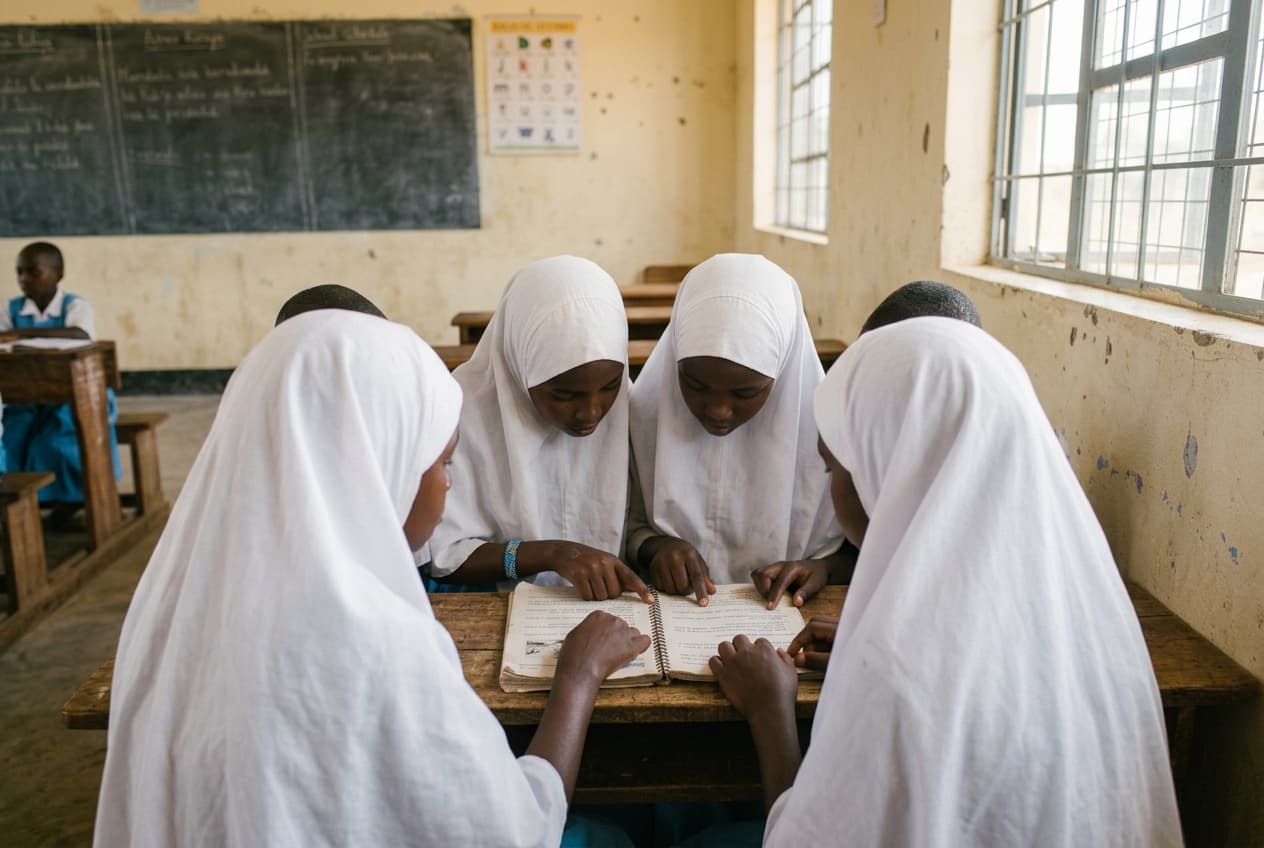
Welcome to REACH-Education
REACH-Education (Resources for Effective Assessment, Classroom Teaching and Holistic Learning) is a non-profit organisation based in Kenya, dedicated to empowering underserved nomadic and refugee families who have endured years of conflict, terrorism and educational challenges. Our mission is to help these communities reclaim their educational future by providing access to quality education through online and offline platforms, as well as hardware and human resources.
More about REACH-EducationREACH-Education uses local technologies and print to provide high-quality education resources to nomadic and refugee learners.
REACH-Education champions gender equality and inclusion, working for parity for girls and for learners with special needs.
REACH-Education broadens access to education to combat poverty and empower individuals and communities.
REACH-Education supports home learners, mobile schools and community libraries, strengthening adult education and lifelong learning.
Northern Kenya covers more than 300,000 km² and is home to tens of thousands of basic-education learners. The region is marked by harsh environmental conditions, tribal clashes, religious extremism, terrorism, government neglect and the underdevelopment that follows.
Millions of children in Kenya's arid and semi-arid lands (ASALs) are kept from reaching their full potential by structural and socio-cultural barriers to education: a lack of teachers, too few teaching and learning materials, marginalisation and neglect by authorities, and disruption by violent extremism, terrorism and tribal clashes.
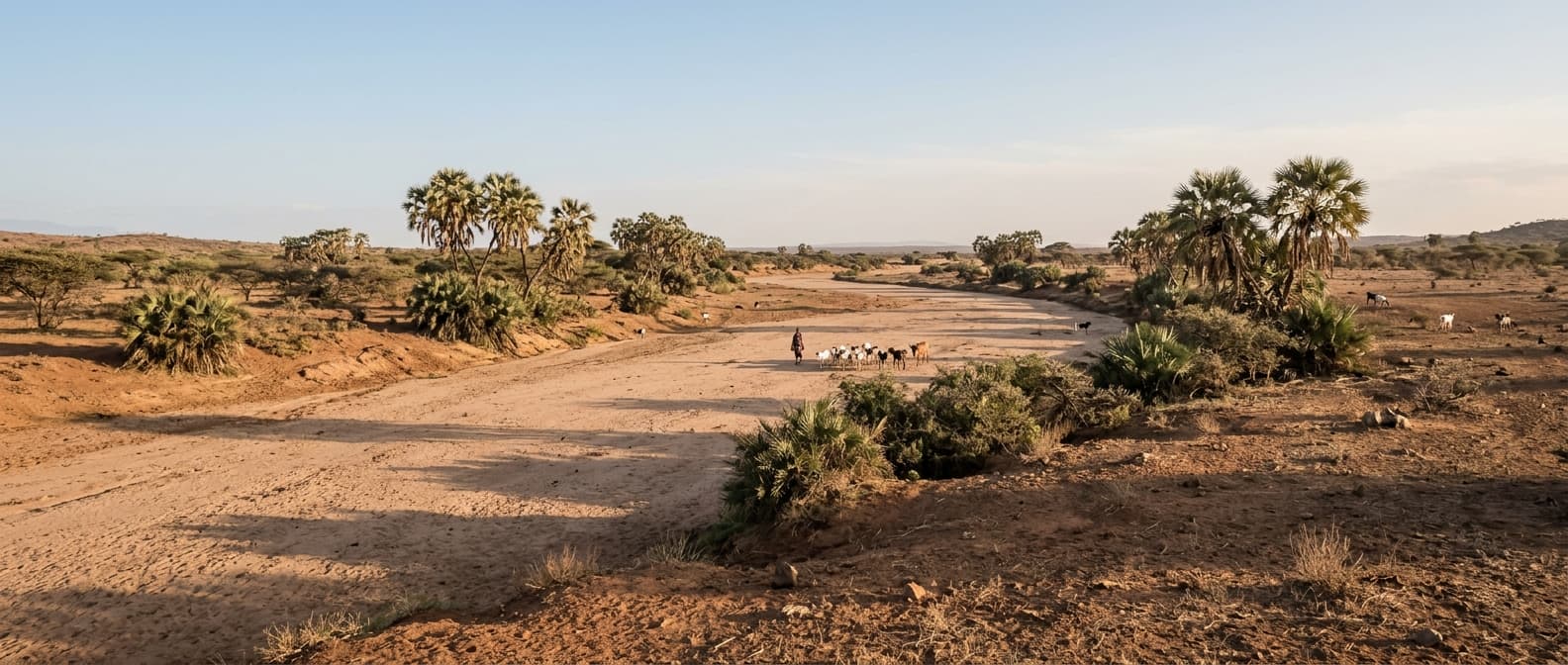
Figures published by REACH-Education on the state of education in Kenya's arid and semi-arid lands (ASALs).
A whole range of factors combine to keep marginalised children out of education:
Pastoralist families move constantly in search of water and pasture for their livestock.
Communities live in largely inaccessible terrain, physically isolated and with little contact with wider society.
Children play a vital role in pastoral life, so parents and guardians are often reluctant to release them for formal schooling.
Long distances to school, poor infrastructure and the condition of existing nomadic schools keep marginalised children out of education.
The formal curriculum, timetable and school calendar are designed for settled communities and ignore the particular needs of nomadic peoples.
Teachers are scarce, and many have fled because of terrorist threats, leaving low levels of the skills and competencies schools need.
REACH-Education works with government agencies, charities and the private sector, combining printed materials, offline and online digital content, and support for teachers. Four interventions sit at the heart of the work.
We give trained, semi-trained and untrained teachers professional development and teaching resources to improve learner outcomes.
How it works: Continuous professional developmentWe offer guidance and counselling to support the wellbeing of the learning community, reduce anxiety and meet long-term physical, psychological, social and emotional needs.
How it works: Psychological supportWe bring displaced teachers back into the classroom through robust e-learning apps and other distance education tools.
How it works: Re-enlisting displaced teachersTextbooks, workbooks, stationery and digital resources given to individual learners to support their learning in and out of the classroom.
How it works: Self-Learning Kits (SLKs)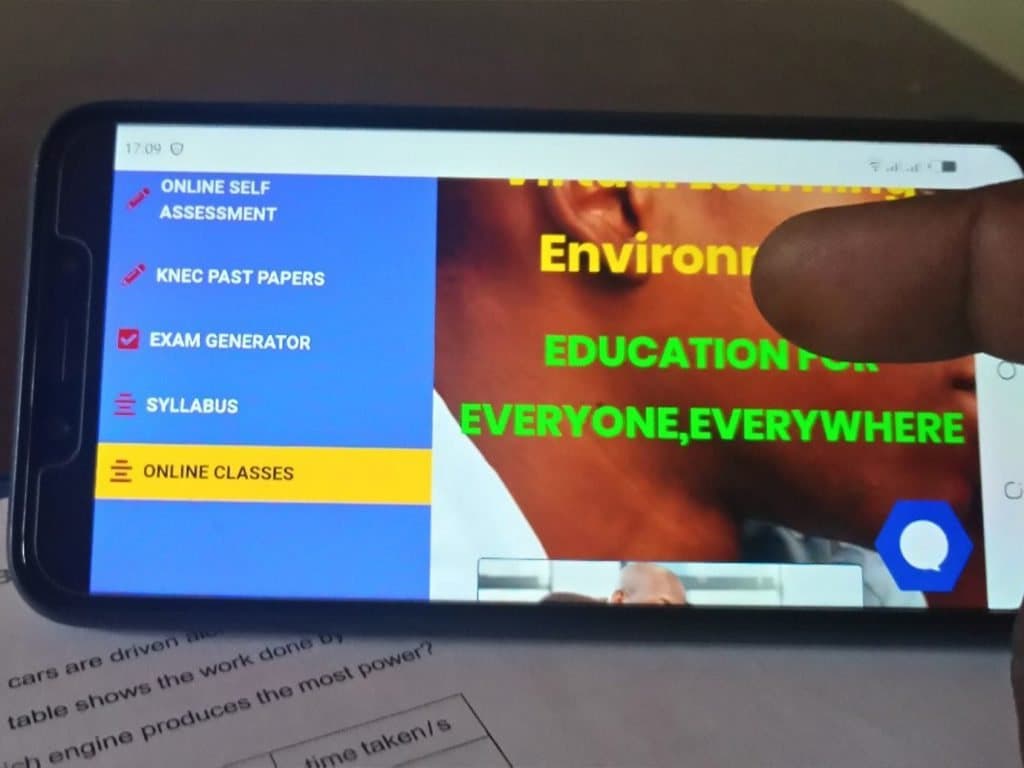
REACH-Education builds on mobile phones, tablets and school computers that are already available locally, and designs for places where the internet is patchy or absent.
Self-Learning Kits
Each Self-Learning Kit is given to an individual learner. The printed materials are designed for underserved learners, so they can study independently and take charge of their own education, regardless of where they live.
$50 funds complete printed packs for one school for a term.
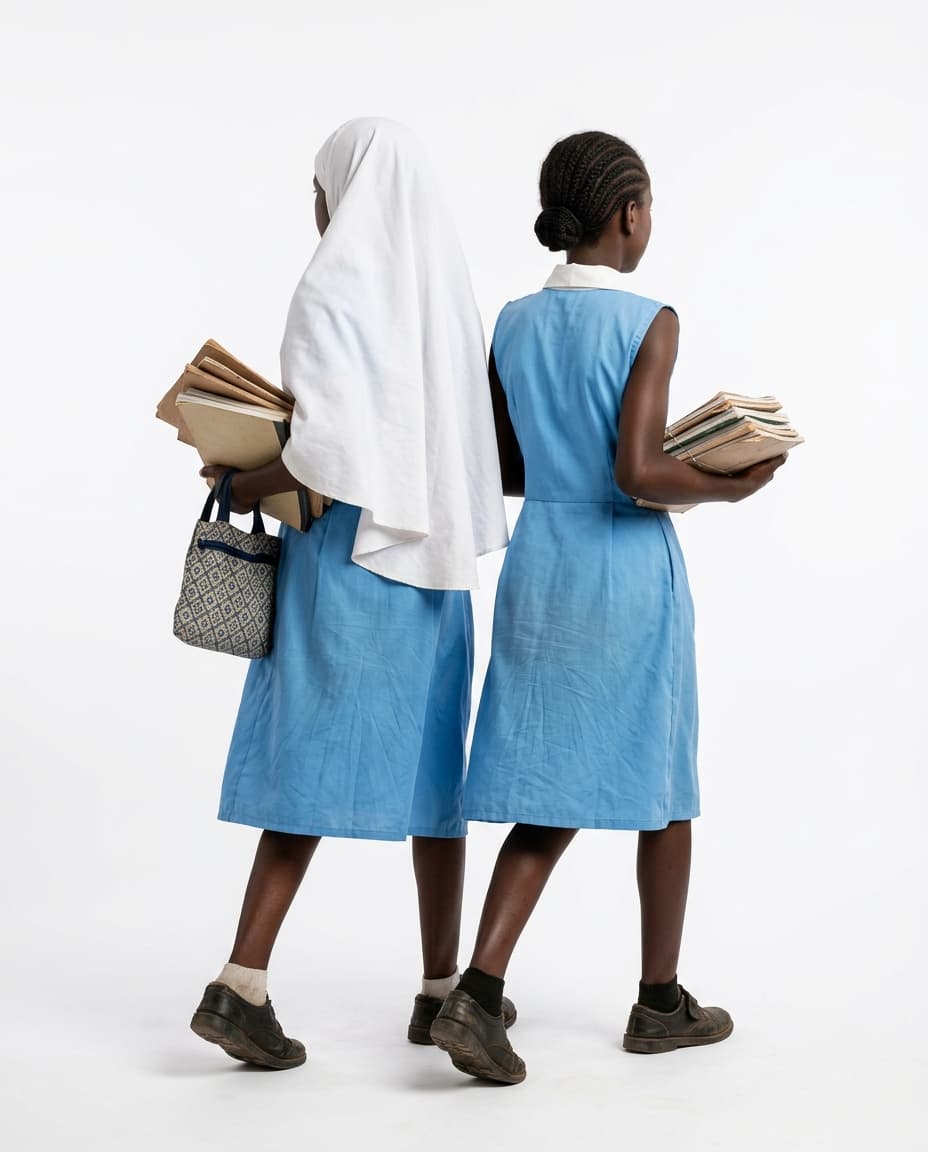
By supporting teachers and putting learning materials directly into learners' hands, REACH-Education has improved educational outcomes for formal and informal learners across northern Kenya.
Reported by REACH-Education in 2024, covering the preceding 36 months. Goal: 100 schools and informal learning centres enrolled by 2026.
Primary and secondary schools, mobile learning centres and community libraries in the under-resourced Northern Frontier Counties.
The work contributes to the education targets of the Millennium Development Goals, now continued in SDG 4: universal primary education, gender equality in education, improved literacy. See our impact
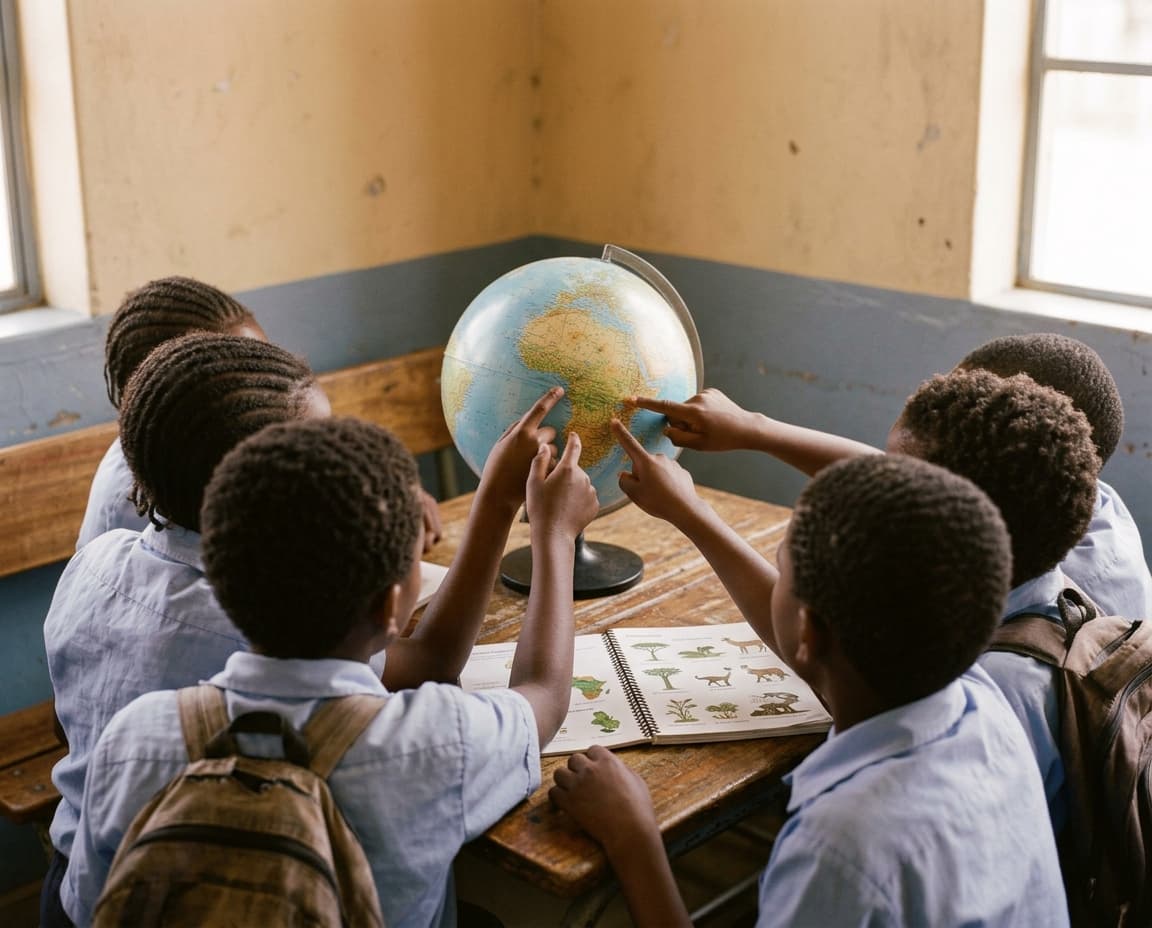
Stories from the field
REACH-Education puts the safety of its non-resident staff and volunteers first, with strict security protocols that include not publishing the names or pictures of team members or pupils. Much of our work in the region is delivered through online platforms, which reduces the risk of targeted reprisals.
When we share stories from the communities we serve, we tell them without names or identifying photographs. It is part of how we keep learners, teachers and volunteers safe.
Read stories from the fieldOrganisations that have supported REACH-Education's work.

Your gift supports learning materials, technology and teachers for communities that are too often left behind. Here is what REACH-Education can do with it.
Questions and answers
Straight answers to the questions people ask us most.
REACH-Education (Resources for Effective Assessment, Classroom Teaching and Holistic Learning) is a Kenyan non-profit that expands access to quality education for nomadic, pastoralist and refugee communities. It provides printed Self-Learning Kits, offline and online digital resources, mobile learning apps and a digital library, and it supports teachers with continuous professional development, counselling and mentorship.
Learners from nomadic and refugee families, and the teachers, schools, mobile learning centres and community libraries that serve them, mainly in Garissa, Isiolo, Marsabit, Tana River and Wajir counties. REACH-Education gives particular attention to girls, learners with special needs, migrating families and adult learners.
Because the formal school system is designed for settled communities. Pastoralist families move with their livestock, schools are far apart and under-resourced, and many teachers have left northern Kenya because of insecurity. By REACH-Education's analysis, 90% of Kenya's 2 million unschooled children live in the arid and semi-arid lands, where primary enrolment falls as low as 40% in some counties against a national average of 95%.
REACH-Education builds on technology communities already have: mobile phones, tablets and school computers. Content travels offline on CDs, flash disks and portable hard disks, and online through cloud platforms and mobile apps that work without a continuous internet connection. Teachers use REACH-Education's digital library and the Exam Vista test generator to prepare lessons and assessments.
Self-Learning Kits (SLKs) are packs of textbooks, workbooks, stationery and digital resources given to individual learners, so they can learn independently in and out of the classroom.
You can donate online, partner with REACH-Education as a foundation, company or public agency, volunteer your skills as a teacher, counsellor or content developer, or follow and share REACH-Education's work.
Give securely at reach4education.com/donate through PayPal, using a PayPal account or a debit or credit card, as a one-time or monthly gift in US dollars, euros or pounds. For large or institutional gifts, contact REACH-Education directly.